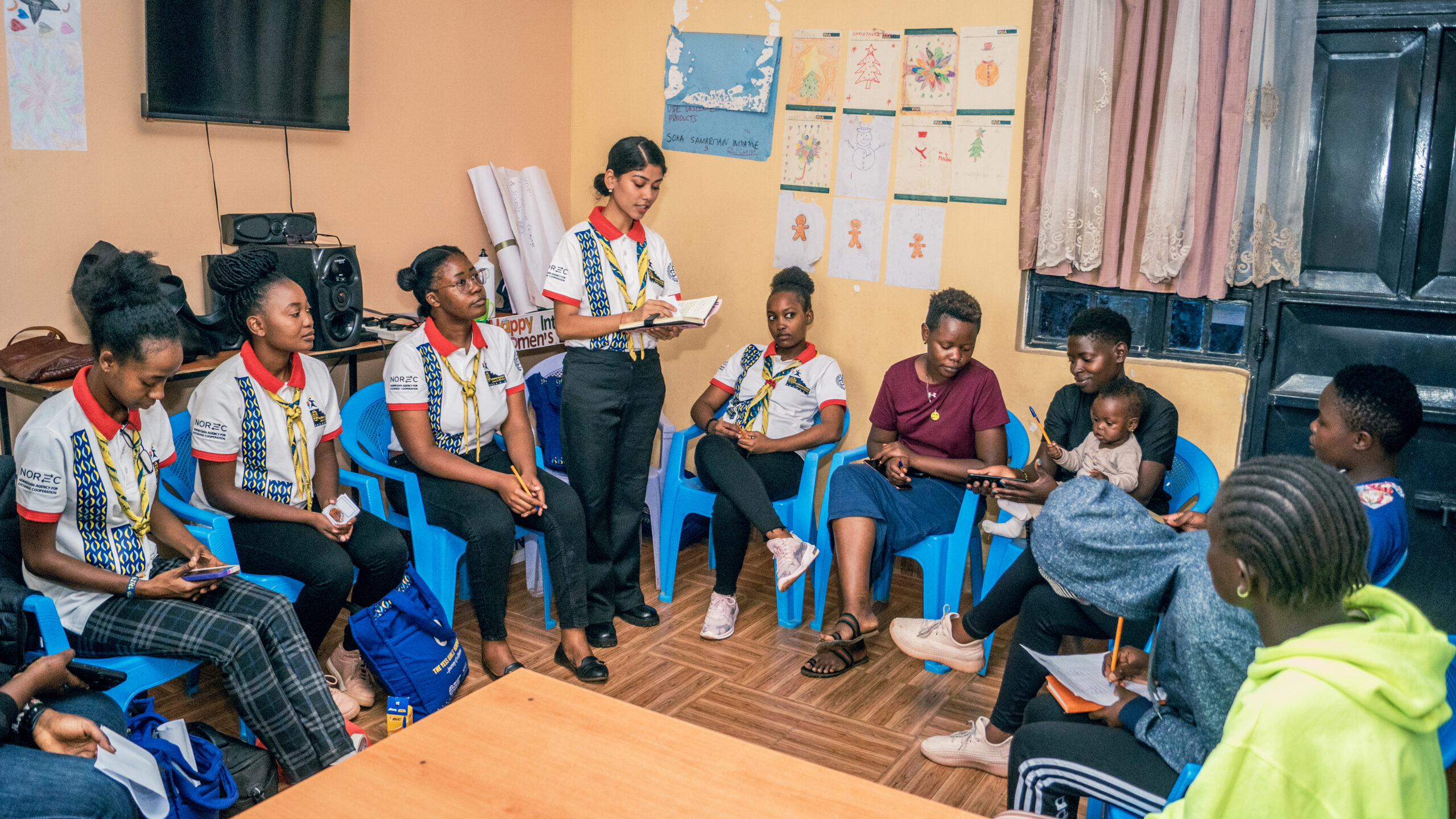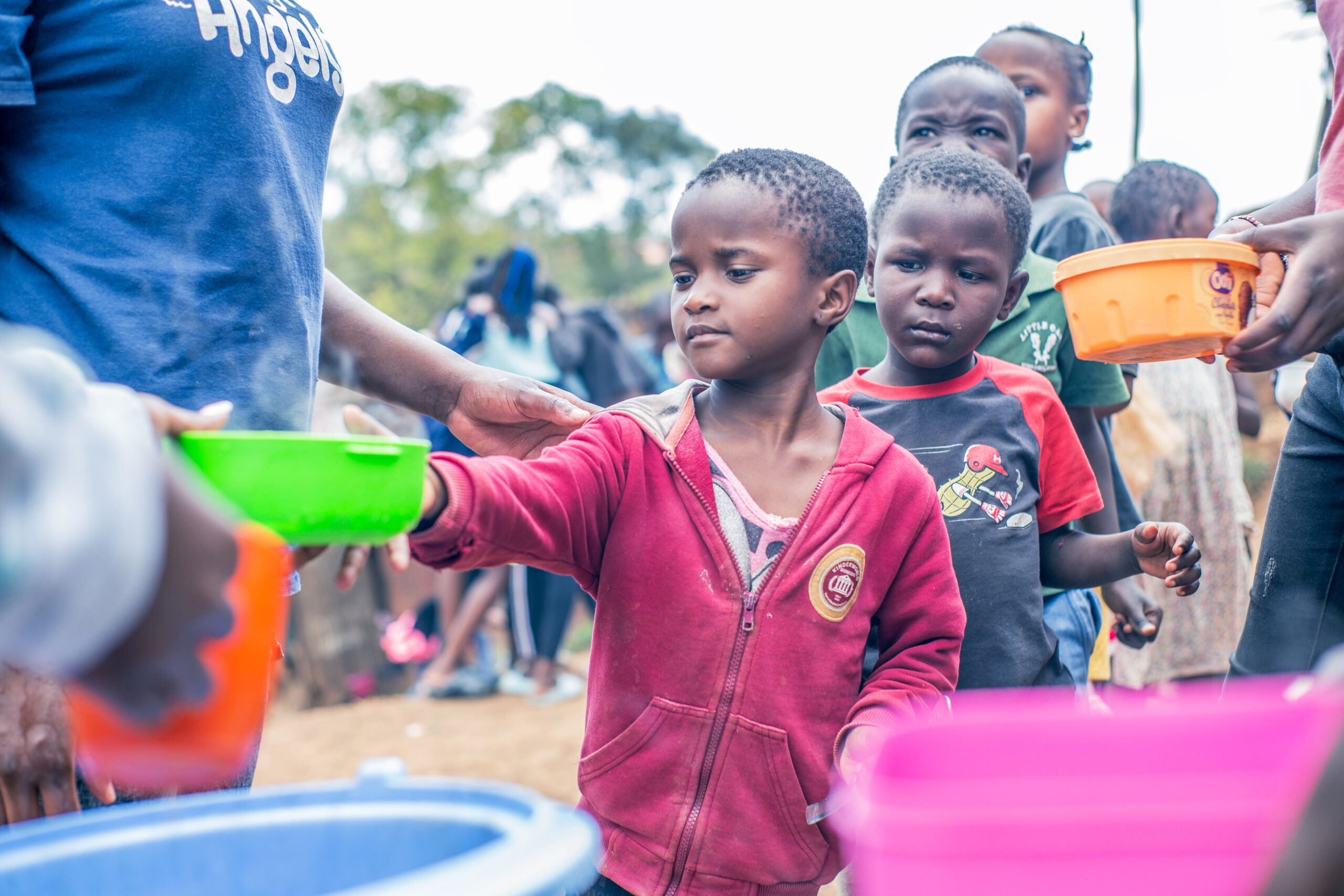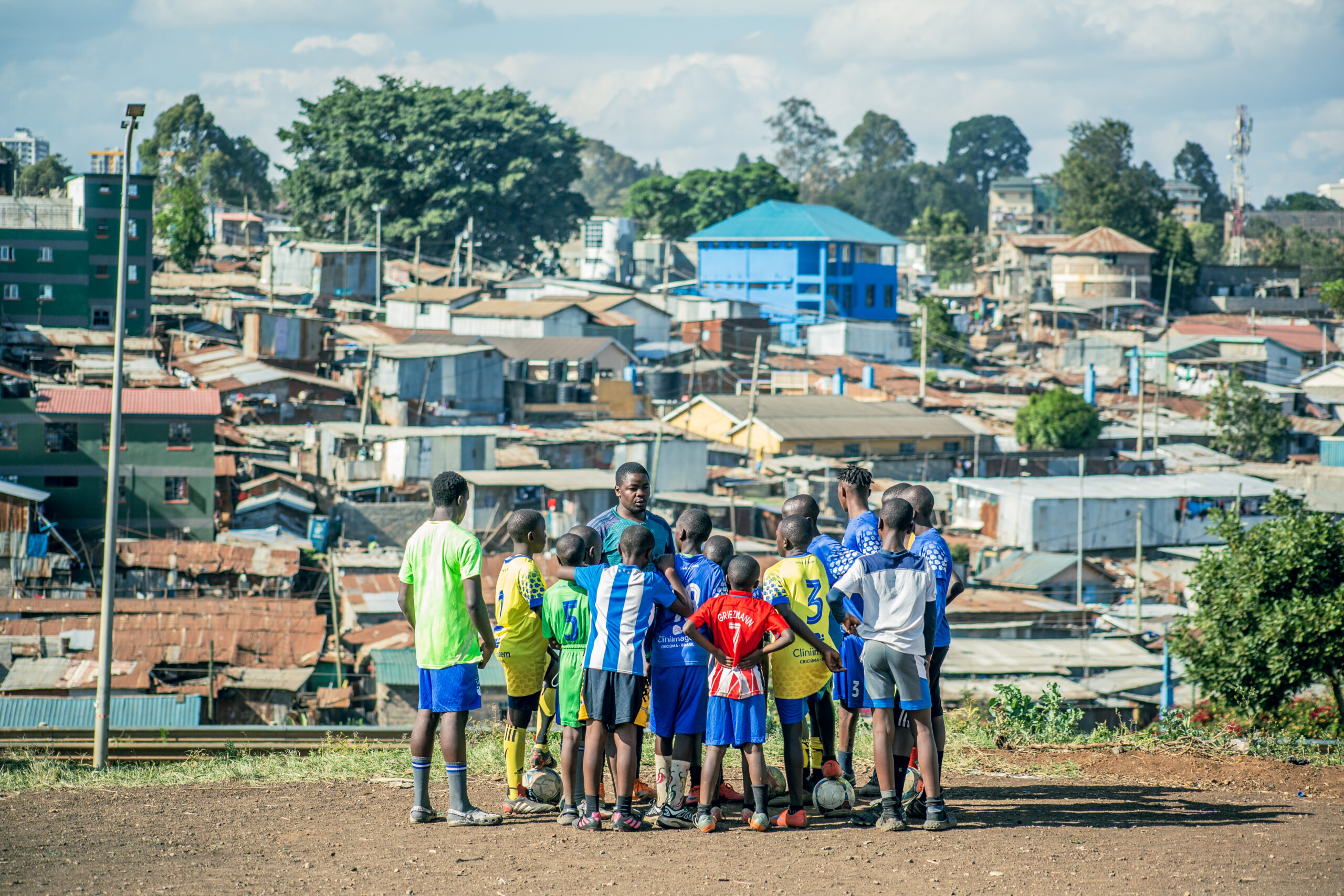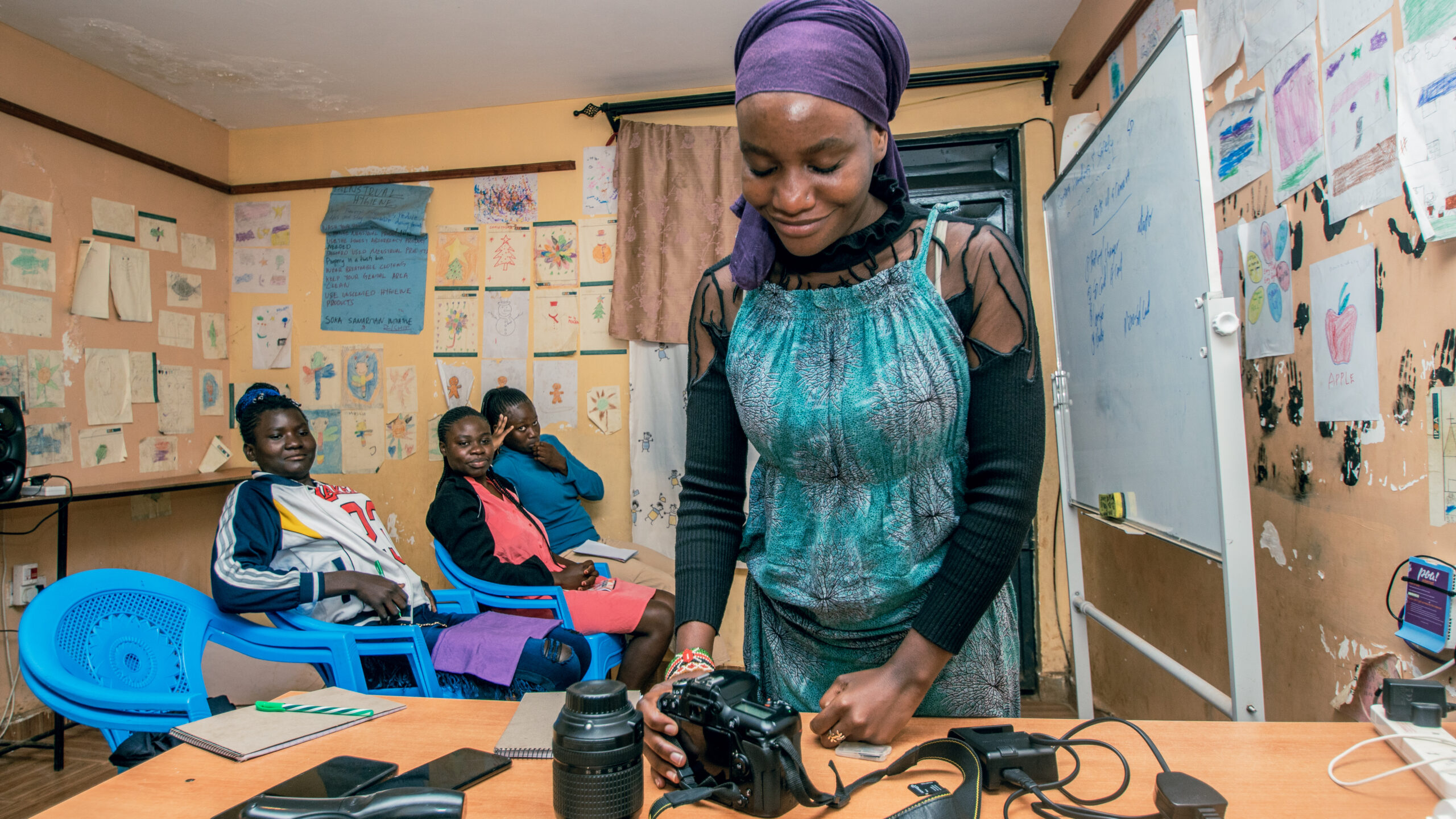
Within the slums of Kibera, young mothers face overwhelming challenges that limit their opportunities and silence their potential. Many are pushed into vulnerability through sexual exploitation, early school dropouts, substance abuse, and prostitution. Deep-rooted cultural beliefs and harmful stereotypes often label them as failures, denying them equal opportunities and dignity. As a result, cycles of injustice and inequality continue—affecting not only these young women but also the next generation, their children.
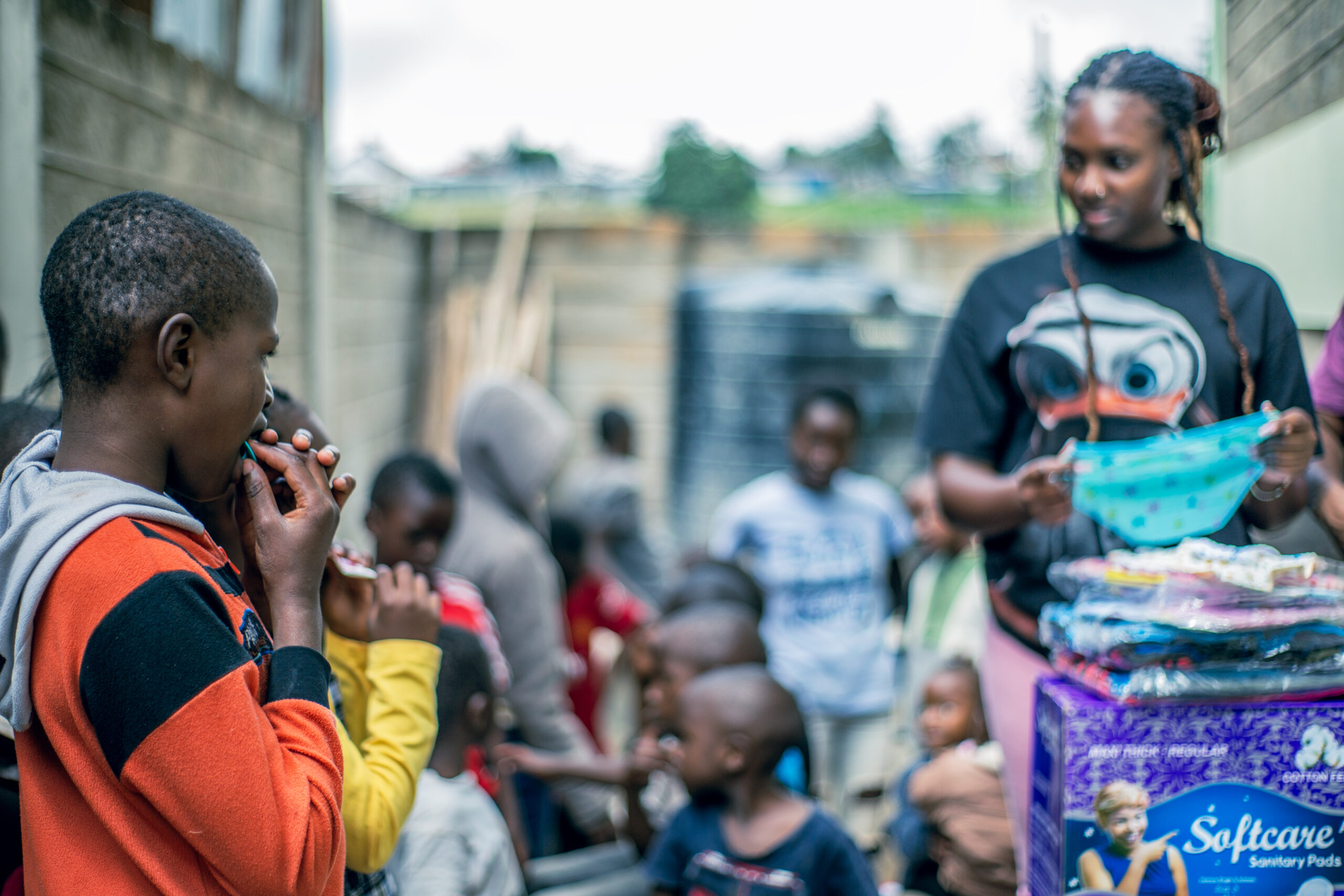
In Kenya’s slums, more than 70% of women and girls cannot afford hygienic menstrual products, while only 30% of schools have adequate hygiene facilities suitable for girls. As a result, many adolescent girls are forced to stay at home during their menstrual periods, missing nearly one week of school every month. Over time, this learning gap contributes to school dropouts, low self-esteem, and increased vulnerability to early teenage pregnancies.